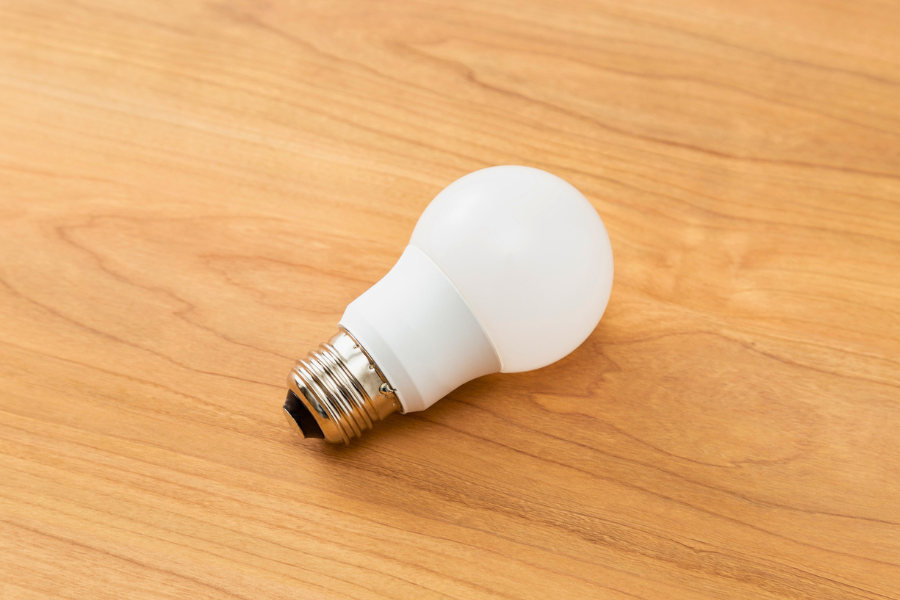
Replacing traditional bulbs with LEDs could save £4 to £13 per bulb per year. LEDs last much longer too, so you won't need to replace them as often.
Practical energy saving tips to reduce your bills and keep your home warm.
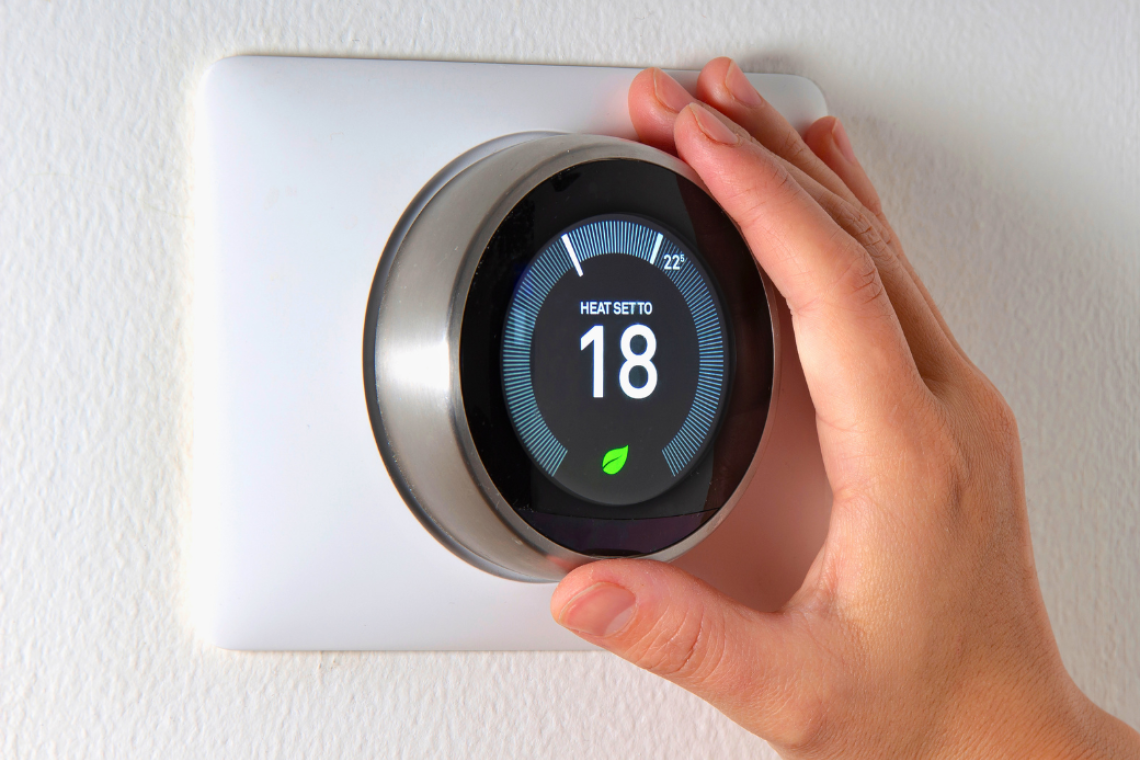
Small changes can make a big difference to your energy bills and help keep your home warm and comfortable all year round.
When energy costs are high, finding ways to reduce your bills while keeping your home comfortable is more important than ever. The good news is that there are lots of simple changes you can make, many of them completely free, that can help lower your energy usage and save you money.
This guide brings together practical tips from National Energy Action and our own advice to help you make your home more energy efficient.
These tips cost nothing to implement and can start saving you money straight away.
These tips require a small upfront investment but can lead to significant savings over time.
Replacing traditional bulbs with LEDs could save £4 to £13 per bulb per year. LEDs last much longer too, so you won't need to replace them as often.
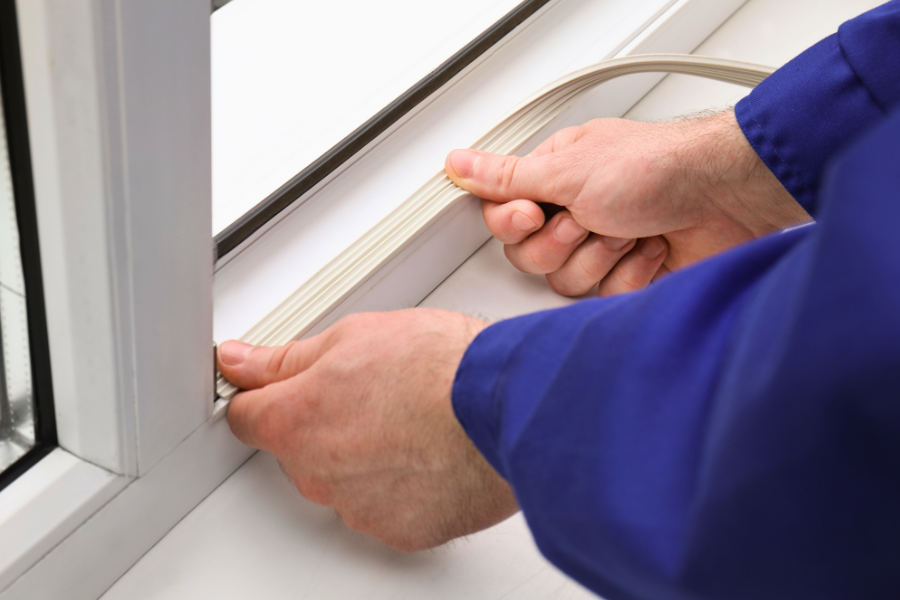
Draught-proofing doors and windows is one of the cheapest and most effective ways to save energy in any type of building. You could save around £30 a year just by sealing up gaps that let cold air in and warm air out. Simple draught excluders for doors and windows are inexpensive and easy to fit yourself.
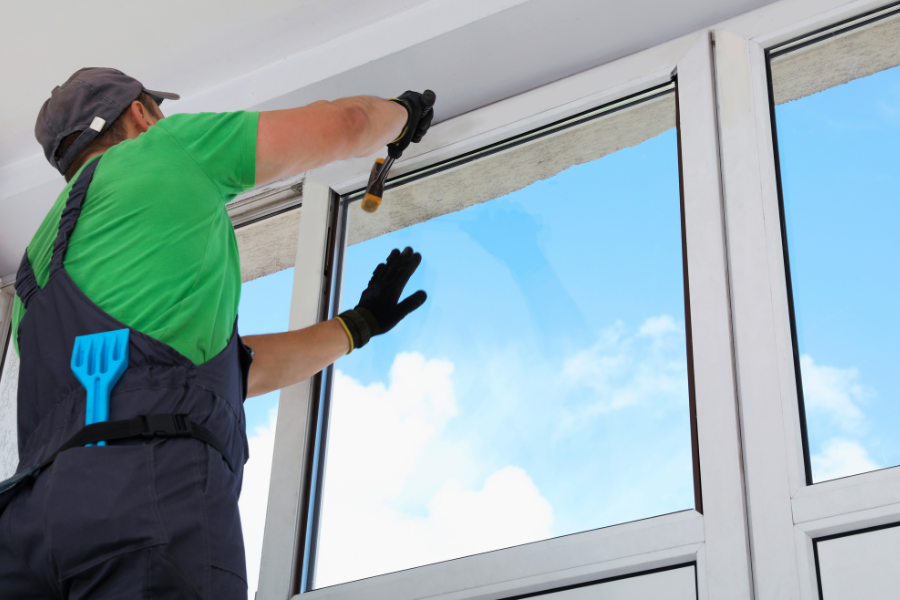
If you can't afford double glazing, secondary glazing creates a similar effect on windows to prevent draughts and keep warm air in. This is a more affordable alternative that still makes a noticeable difference.
Almost half of your energy bills goes towards heating and hot water, so this is where you can make the biggest impact.
About a third of all the heat lost in an uninsulated home escapes through the walls, and a quarter is lost through the roof. Properly insulating your home will keep it warmer and significantly lower your heating costs.
While insulation requires a larger upfront investment, the long-term savings can be substantial. There may also be grants and schemes available to help with costs.
When you're buying a property, check its Energy Performance Certificate (EPC). An EPC contains information about a property's energy use and typical energy costs, and gives recommendations about how to reduce energy use and potentially save money.
A good EPC rating means the property is already relatively energy efficient, which can save you money from day one. If a property has a poor EPC rating, factor in the potential cost of improvements when deciding whether to buy.
Find out more about Energy Performance Certificates.
Here's a summary of how much you could save each year by making these changes:
| Annual savings | |
| Turn heating thermostat down by one degree | Up to £80 |
| Turning off appliances on standby | Around £70 |
| Air-drying clothes instead of tumble drying | Up to £75 |
| Shorter showers (of up to four minutes) | Around £65 |
| Washing clothes at 30 degrees and reduce loads | Around £14 |
| Switching to LED bulbs | Between £4 to £13 per bulb |
| Switching off lights | Around £30 |
| Draught-proofing doors and windows | Around £30 |
| Using a bowl for washing up | Up to £25 |
| Avoiding overfilling the kettle | Around £14 |
Small changes add up. Making several of these adjustments could save you money each year, while making your home more comfortable.
If you're a Co-Ownership customer and struggling with energy costs or rent payments, contact our team today. We're here to support you and can signpost you to additional help and advice.