Energy Performance Certificates
Your Energy Performance Certificate shows how energy efficient your home is and what you can do to improve it. Here's everything you need to know.
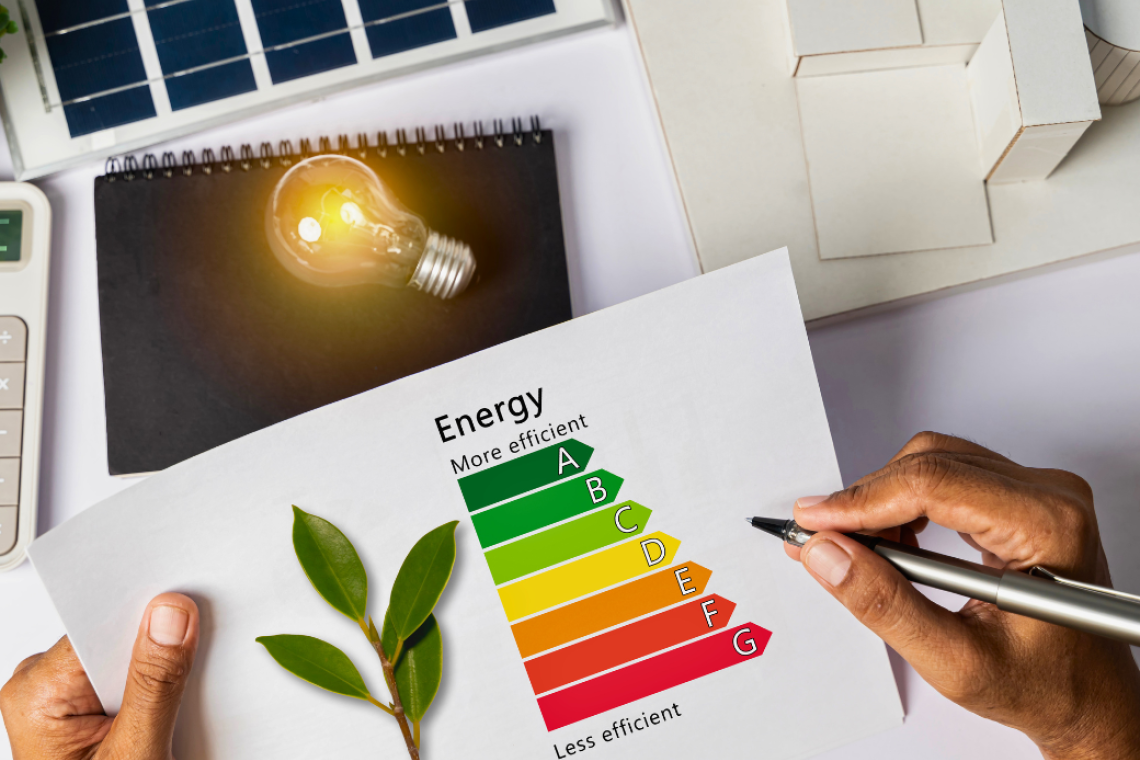
With so much information out there about energy efficiency, where do you start? One great place to begin is by understanding your home's Energy Performance Certificate, or EPC.
Whether you've just moved into a new home or have been living in the same one for years, your EPC can be a valuable tool to help you reduce your energy bills and make your home more comfortable.
What is an EPC?
An EPC is essentially a snapshot of your home's energy efficiency. It grades your home on a scale from A (most efficient) to G (least efficient), and it's valid for ten years.
But it's more than just a grade. An EPC provides recommendations for improving energy efficiency and estimates the potential savings you could make by following these suggestions. It considers the potential energy performance of the property itself, the fabric of the building, and its services like heating, lighting, and hot water.
If your home was purchased before 2008, it might be worth getting an EPC report, as homes older than that won't necessarily have one yet. From 2008, an EPC has been required whenever a property is built, sold, or rented.
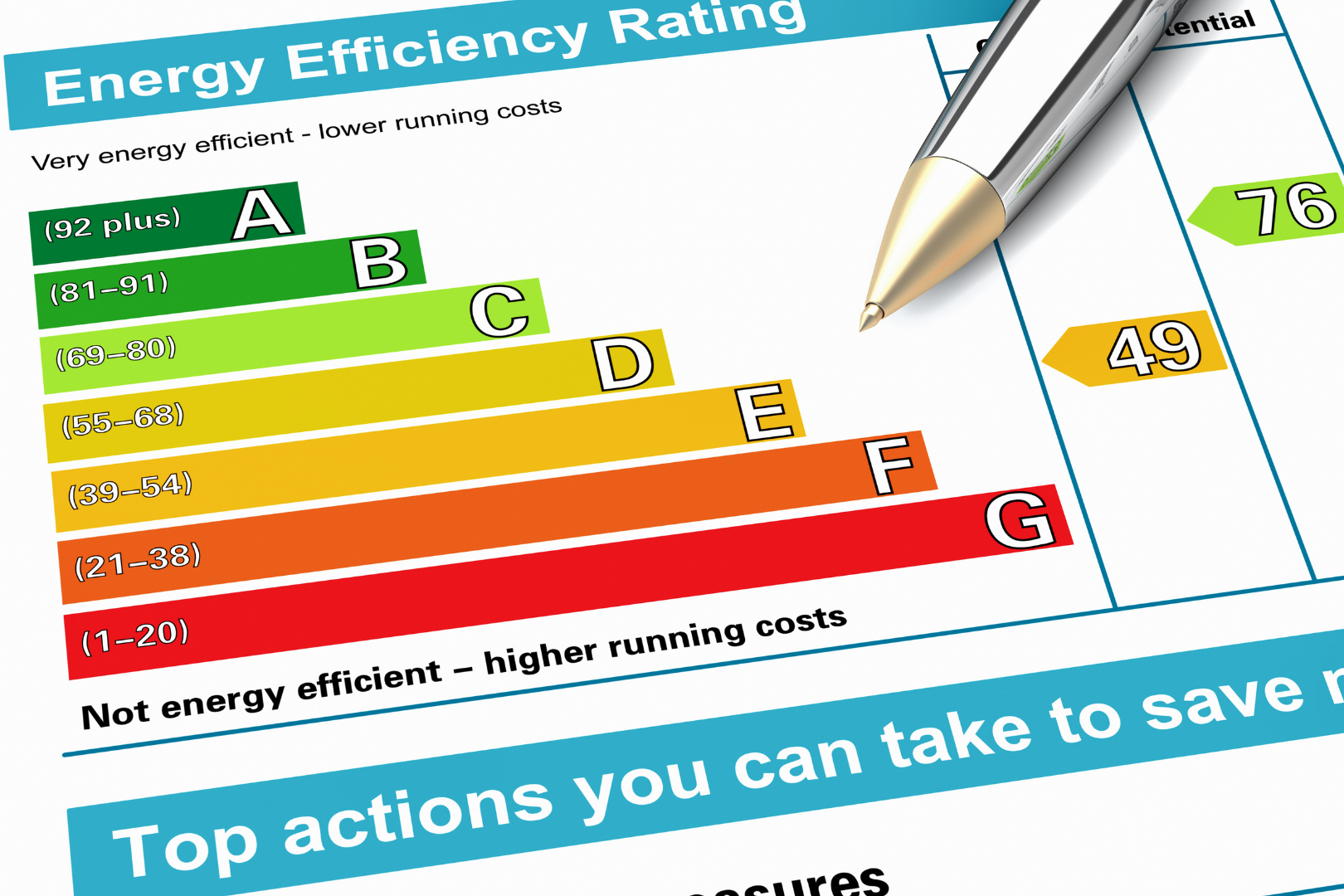
Understanding your EPC report
An EPC contains several sections that give you a complete picture of your home's energy performance. Here's what each section means.
Simple, low-cost improvements
Some EPC recommendations are simple and affordable changes you can make straight away. These might include:
- Switching to LED light bulbs throughout your home. LEDs use much less energy than traditional bulbs and last significantly longer.
- Installing a hot water tank jacket to insulate your cylinder and reduce heat loss.
- Fitting thermostatic radiator valves (TRVs) to give you better control over heating in individual rooms.
- Adding draught-proofing to doors and windows to stop warm air escaping and cold air getting in.
- Upgrading your thermostat to a programmable or smart model so you can control heating more efficiently.
These improvements typically cost from a few pounds to a few hundred pounds but can make a noticeable difference to your energy bills.
Bigger impact improvements
If you're looking to make a more significant impact on your home's efficiency, more extensive upgrades could include:
- Upgrading your boiler to a modern, energy-efficient condensing boiler. This is a larger investment but can dramatically reduce your heating costs, especially if your current boiler is old and inefficient.
- Installing cavity wall insulation or solid wall insulation to prevent heat escaping through your walls.
- Adding or topping up loft insulation to the recommended 300mm to stop heat escaping through your roof.
- Replacing single-glazed windows with double or triple glazing to improve heat retention and reduce noise.
- Installing renewable energy sources like solar panels to generate your own electricity and reduce reliance on the grid.
These improvements require more significant investment, ranging from hundreds to thousands of pounds, but the long-term savings and comfort improvements can be substantial.
Planning your improvements
Once you've looked at your EPC, it's important to decide which improvements you want to make and in what order.
It may be that to save the most energy, work needs to be done in a certain sequence. For example, it's usually more efficient to insulate your home before installing a new boiler or heat pump. If you insulate first, you'll need a smaller, more efficient heating system, which saves money both upfront and in running costs.
Do your research and get all the facts before deciding what work to carry out. Speaking to a qualified energy assessor or installer can help you understand the best approach for your specific property.

Considering costs and budget
Costs will vary significantly depending on the improvements you choose. Some upgrades, like changing light bulbs and insulating your hot water tank, are affordable and you may wish to start here. Others, like installing solar panels or replacing windows, are more significant investments.
Before you commit, consider your budget carefully and check if there are any grants available to help with costs. The Affordable Warmth Scheme, for example, may be able to help if you meet the eligibility criteria.
Keep in mind any hidden costs, such as redecorating rooms after insulation work or repairs following installation projects. Factor these into your budget so you're not caught out by unexpected expenses.
Keeping records
Once work is complete, keep all the paperwork, including warranties, certificates, and receipts. This documentation could come in handy if you ever sell the property, need to make a claim under warranty, or want to demonstrate the improvements you've made.
Good records also help if you decide to get your EPC refreshed after making improvements.
When to get a new EPC
If you've had major work carried out on your property, it's a good idea to have your EPC refreshed. A higher EPC rating could unlock new benefits, such as access to green mortgages, which often come with lower interest rates or cashback incentives for energy-efficient homes.
A new EPC also gives you an updated picture of your home's performance and may reveal additional improvements worth considering.
You might also want a new EPC if you're planning to sell or rent your property, as a better rating can make it more attractive to buyers or tenants.
EPCs when buying a property
If you're thinking of buying a property, it's important that you read the EPC before making an offer. The EPC gives you valuable information about the property's energy efficiency and potential running costs.
A property with a high EPC rating (A, B, or C) is likely to be cheaper to heat and run, saving you money from day one. A property with a low rating (E, F, or G) may need significant investment to bring it up to a reasonable standard of efficiency.
Factor potential improvement costs into your decision about whether to buy and how much to offer. If a property has a poor EPC rating but is otherwise perfect, you might negotiate a lower price to reflect the cost of necessary upgrades.
The EPC also gives you a roadmap for improvements, so you can plan what work to prioritise once you move in.
Help and support
If you have questions about your property's EPC, need advice on which improvements to prioritise, or want to know about available grants and energy saving schemes, we're here to help. We can signpost you to available grants, energy-saving ideas, and trusted professionals who can help you improve your home's energy efficiency.